Financial Literacy

Stock Screener Guide: What makes a great one
June 5, 2025
Stock screeners have become essential tools for investors and traders…
Read More
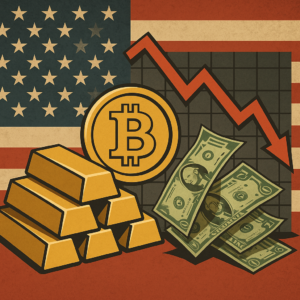
The U.S. Dollar Is Losing Value — Here’s Where to Put Your Money Now
May 19, 2025
Inflation, Soaring national debt, and talks of economic downturn… One…
Read More

ESG Investment Strategies: A Guide to Investing with Purpose—and Avoiding Pitfalls
February 3, 2025
Have you ever thought about how your investments could do…
Read More

Dive into the Depths: 401(k) vs. Roth 401(k)
October 21, 2024
When planning for retirement, or considering your investment assets, one…
Read More

Will the Fed Interest Rate decision Affect the Election?
September 18, 2024
Election years bring heightened scrutiny to every economic move, particularly…
Read More

Why September is the Worst Month for Stocks?
September 4, 2024
September has long been a month of caution for stock…
Read More

What Happens to Stocks When the Fed Cuts Rates? An Analysis Through Historical Data
August 28, 2024
The Federal Reserve’s decisions on interest rates are among the…
Read More

Investment Education For Everyone
March 7, 2024
When it comes to investment education, you’d be hard pressed to find a brand more devoted to it than the staff here at Investment U.
- 1
- 2
- 3
- …
- 89
- Next Page »