Hedge Funds: The Biggest Threat Facing the Stock Market Today

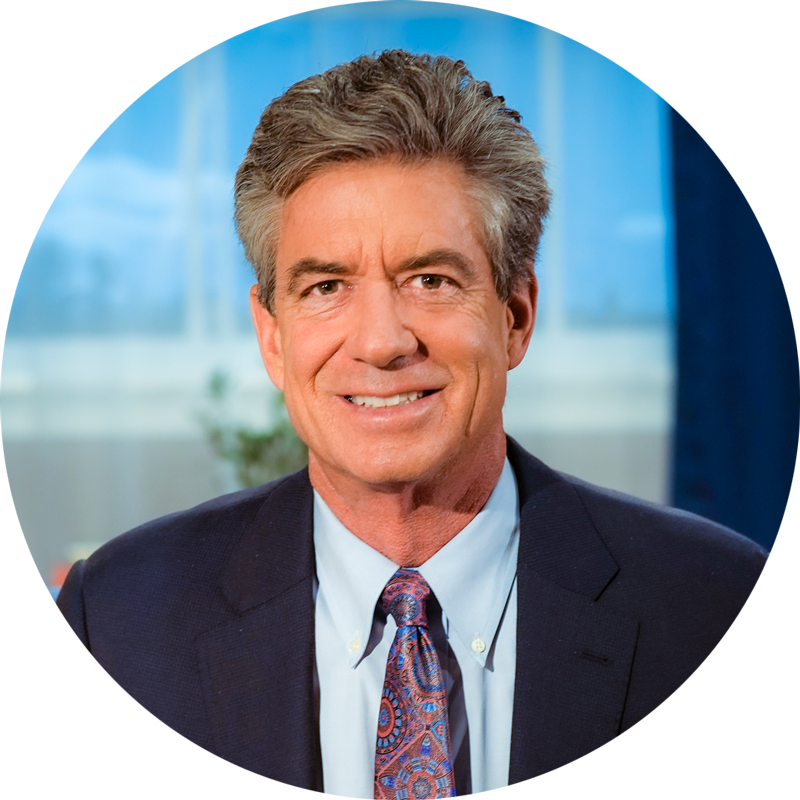
by Alexander Green, Chairman, Investment U
Friday, July 6, 2007: Issue #690

The biggest threat facing stock market investors today isn’t a recession, the housing slump, $70 oil, a decline in profits, the war in Iraq, a potential rate increase or even terrorist activities.

The biggest threat today is that nobody – and I mean absolutely nobody – understands what the world’s gun-slinging hedge funds are up to.

And with trillions of highly leveraged dollars in assets under management, the potential for disaster is real and perhaps quite high. Here’s why.

A Closer Look at Hedge Funds

Hedge funds pool huge amounts of money from wealthy investors, Wall Street banks, and, yes, other hedge funds. Their goal is to make money regardless of which way the stock market goes.

Some of them invest in bonds, some in commodities, some in foreign markets, some in futures and options. Some short stocks, betting their prices will fall, not rise.

Others turn almost any kind of cash flow – including credit card payments, home mortgages, corporate loans, plane leases, and even movie theater revenue – into securities and trade them.

Hedge funds hold unparalleled sway over the world’s financial markets today. They are responsible for more than a third of all stock trades, according to industry sources.

Much of what they are doing is good. For example, hedge funds help spread investment risk among many partners. In some ways, this “risk dispersion” has acted like a safety valve for investment banks and other lenders.

However, with so much leveraged money sloshing around in these funds, the potential for catastrophe is increasing. By how much?

Hedge Funds are Operating in the Dark

That’s just it. No one knows. Hedge funds are almost totally opaque.

As The Washington Post reported this week, “Shielded from regulators, and operating in the dark, the biggest and most influential hedge funds might be making bets that put the entire financial system at risk.”

I suggest you go back and read that last sentence again slowly this time.

Your goal as an investor is to manage your hard-earned capital in such a way that you never find yourself in the same company as those poor souls who eventually wind up saying, “Jeez, I never thought that would happen.”

And, bear in mind, that has almost happened before. In September 1998, for example, Fed Chairman Alan Greenspan helped organize a Wall Street bail out of Long Term Capital, a $130 billion hedge fund – run by Nobel laureates, no less – that almost turned world financial markets upside down.

A few weeks ago, we had another close call when two Bear Stearns hedge funds made risky bets – with massive loans – in subprime mortgages and their derivatives. Fortunately, Bear had deep enough pockets to bail itself out.

That may not be the case when the next big fund goes belly up.

The problem is not just the lack of transparency of these funds, it’s the very nature of the beast itself.

For example, let’s say I offered you an extremely risky bet, but with a twist. If you win the bet you make hundreds of millions of dollars. If you lose, it costs you nothing. Would you take it?

Of course you would. And that’s exactly the arrangement that hedge fund managers have with their shareholders. They earn 20% of the funds’ gains each year. But if they lose, the shareholders are the ones left holding the bag.

Why not aim for the fence and hope for the mother of all paydays?

This is why every one of the top hedge fund managers took home over $1 billion in compensation in 2006 alone.

Three Ways to Protect Your Money Against a Hedge Fund Bail Out

Yet if we have a hedge-fund induced financial Katrina, Uncle Sam is not going to rescue you. So what can you do to lessen the risk to your own portfolio? Here’s what we recommend:

1. Don’t risk more of your net worth than you need to. If you’re young and aggressive with a long-term time horizon, that’s one thing. If you’re older, retired or close to retirement, or have a shorter-term horizon, think realistically, not just optimistically. How would you feel if – even temporarily – we went through a severe selloff in the market? Think about it – and govern yourself accordingly.

2. Diversify your assets beyond stocks into high-quality bonds, real estate, gold shares, commodities and inflation-adjusted Treasuries.

3. Run trailing stops behind each of your individual stock positions. This gives you unlimited upside potential while strictly limiting your downside risk.

There are other steps we recommend taking to protect yourself, as well. But the important thing is this: With huge amounts of capital under the control of these funds, you need to expect the unexpected.

If nothing else, heed the words of legendary fund manger Peter Lynch, who used to tell investors “If you’re gonna panic, do it early.”

(Incidentally, this analysis is not meant to scare anyone out of the market. I’m just telling it like it is. Next week I’m going to detail one of the biggest positives facing equity investors today: the rise of sovereign wealth funds.)

Good Investing,

Alex

Today’s Investment U Crib Sheet

  • Hedge funds are not only injecting risk into the market, they’re also getting more exclusive. Access to their “excess” returns costs at least $2.5 million now – that’s up from $1,000,000 since the SEC redefined “accredited investor” status. Here’s why they changed the definition of rich.
More on this topic (What's this?)
Julian Roberts Hedge Funds
Top 5 Hedge Fund Technology Challenges All Blown Away by the Cloud
Hedge Fund Redemptions Surging?
Read more on Hedge Funds at Wikinvest
Any investment contains risk. Please see our disclaimer


Related Investment U Articles:

Comments

**By submitting your comment you agree to adhere to our Comment Policy and Privacy Policy.

Check out our selection of daily Investment Research:


IU Blackboard IU Archives


Alexander Green, Chief Investment Strategist

Alexander Green is the Chief Investment Strategist of Investment U. A Wall Street veteran, he has more than 20 years of experience as a research analyst, investment advisor, financial writer and portfolio manager.

Mr. Green has been featured on The O'Reilly Factor, and has been profiled by The Wall Street Journal, BusinessWeek, Forbes, Kiplinger's Personal Finance, C-SPAN and CNBC among others. Learn More...

What is Investment U?

Founded in 1999, Investment U publishes the free Investment U Daily newsletter, along with many other products designed to help investors make better decisions with their money.

Recent Articles


Investment U Weekly Update


Search Investment U:


What Readers Are Saying...

"I have to tell you - I REALLY DO like your articles - they are short, sweet and to the point with humor -how can you get any better than that??? you can't !!!"
Virginia L.

"I have been following your Investment U newsletter for several years and really appreciate the facts and info you provide."
Blaine K.

"Although my comments may be premature, I wish to thank you for the astonishing results that you have provided my bank account. I have been burned so many times by advisors that I qualify for the honorary title of investment guru. I am soon publishing a book…….Thank you for your efforts. Perhaps I have finally met an investment advisor with financial acumen coupled with caring attributes. Amazing!"
Evan L.

Questions? Comments? Feedback?